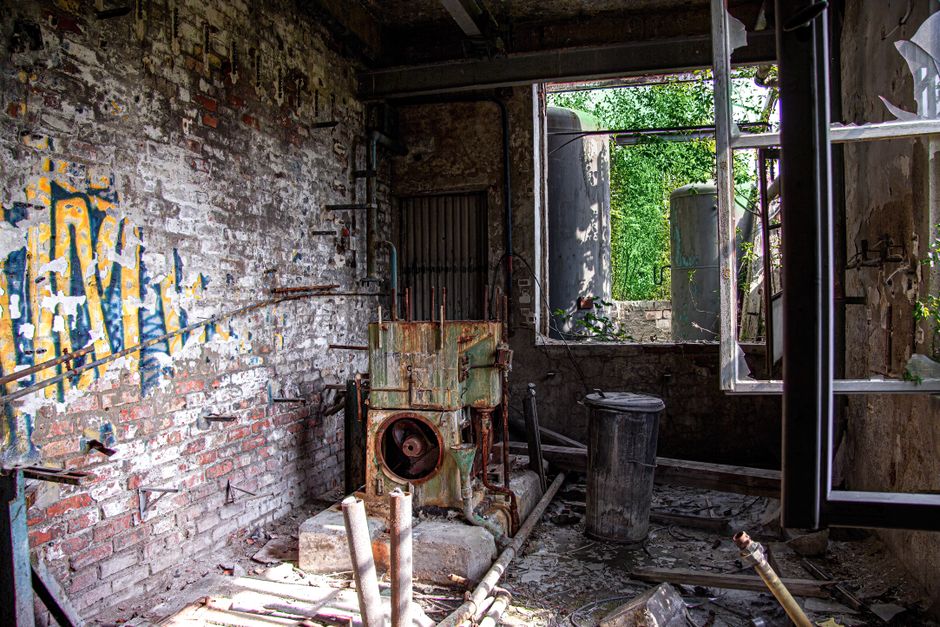
After-refurb rubbish removal in Northumberland Park, Tottenham
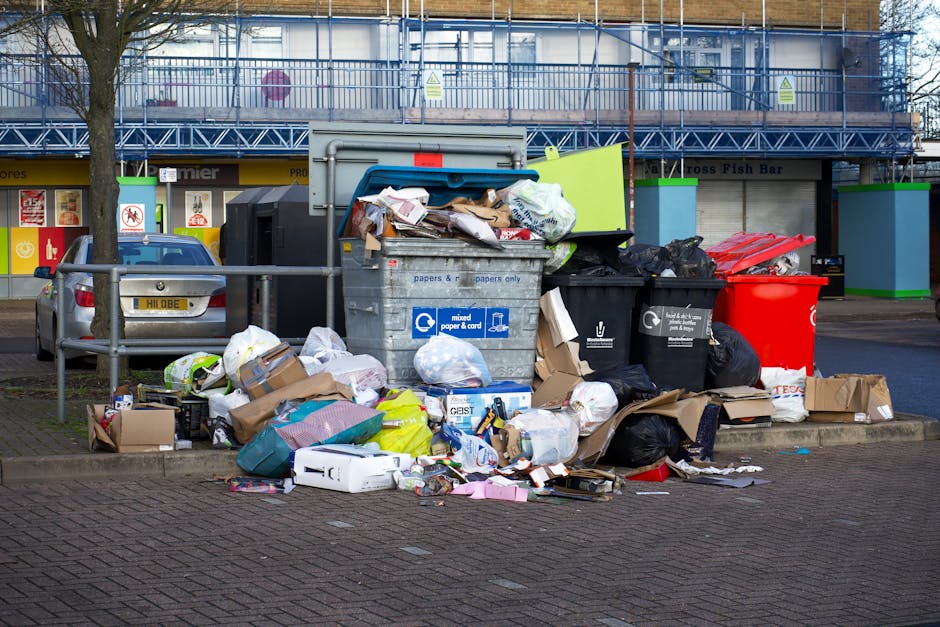
If you have just finished a refurb, you already know the awkward part is rarely the decorating itself. It is the mess afterwards. Off-cuts, broken plasterboard, old fixtures, packaging, dusty rubble, a few surprise items that somehow survived the whole job... it all piles up fast. After-refurb rubbish removal in Northumberland Park, Tottenham is the straightforward way to clear that debris so the space feels finished, safe, and ready to use.
Whether you have upgraded a flat, refreshed a shop unit, or tackled a whole-house makeover, the last stage matters more than people think. Poor clearance can slow down handover, create trip hazards, and leave dust hanging around far longer than it should. This guide walks through how the service works, what to watch for, and how to choose a sensible, hassle-free approach for Northumberland Park and the wider Tottenham area.
One thing people often notice only after the dust settles: the actual clearing is usually the part that gets underestimated. It is rarely "just a few bags". More often, it is a mix of heavy, awkward, and sometimes recyclable material that needs careful handling. Let's make it simpler.
Why After-refurb rubbish removal in Northumberland Park, Tottenham Matters
After a refurbishment, the room looks almost there, but not quite. The floor may still be covered in dust. The hallway may have a stack of old skirting boards. A kitchen refit can leave behind packaging, sinks, worktops, and chipped tile fragments. That leftover waste is not just an eyesore. It can get in the way of finishing touches, inspections, and safe movement through the property.
In Northumberland Park, where homes, flats, and mixed-use properties often need careful access planning, cluttered pathways can become a real headache. Narrow stairwells, shared entrances, and limited parking all make after-build clearance more than a quick bin run. You need a clear plan.
There is also a trust angle. If you are a landlord, contractor, homeowner, or managing agent, the final presentation of a property says a lot. Clean, complete, and ready. That is the standard most people want, even if they do not say it out loud.
Expert summary: Good post-refurb clearance is not only about getting rid of waste. It is about restoring order, reducing risk, and making the finished space genuinely usable. The smoother the removal process, the more polished the project feels at the end.
If your project created mixed waste streams, it can also help to separate materials early. For larger renovation jobs, you may find related services useful too, such as builders waste clearance for heavier construction debris or general waste removal when the load is more mixed and less specialised.
How After-refurb rubbish removal in Northumberland Park, Tottenham Works
The process is usually much simpler than arranging multiple DIY trips, but it still benefits from a bit of organisation. In most cases, it starts with identifying what needs removing, how much there is, and whether any items need special handling. That might include plasterboard, timber, metal, broken furniture, old units, packaging, or bagged general waste.
From there, collection is planned around access, timing, and the amount of material. Some jobs can be handled quickly in one visit. Others need a more staged approach, especially where the refurb has created bulky or heavy waste. To be fair, this is where many people realise the value of using a team that does this every day.
Typical steps include:
- Assessing the waste type and volume.
- Confirming access details, parking, and any building restrictions.
- Loading the waste safely and efficiently.
- Separating recyclable material where practical.
- Removing the waste and taking it for appropriate processing.
- Leaving the area swept and ready for the next stage.
If your refurbishment sits within a broader move, clearance, or changeover, you may also need specialist help for other items. For example, a flat renovation can pair well with flat clearance, while a larger property overhaul may benefit from house clearance or home clearance if the project extends beyond just the building waste.
Key Benefits and Practical Advantages
There is more to after-refurb clearance than simply making the place look tidy. The practical gains are real, and they show up quickly.
- Safer movement around the property: Fewer loose boards, sharp fragments, and stacked bags in hallways or rooms.
- Faster project completion: Once the waste is gone, snagging and finishing work can happen without obstruction.
- Better first impression: This matters if you are handing over to tenants, buyers, clients, or family.
- Less stress for you: You do not have to rent a van, coordinate loading, or make repeated trips.
- More responsible disposal: A proper service can separate materials for recycling where suitable.
There is also the small but very real benefit of headspace. When a room is still full of rubble and packaging, it is hard to judge whether the refurbishment is actually finished. Once the waste goes, the result finally breathes. That moment is oddly satisfying.
For some customers, this stage sits alongside furniture or fixture disposal. If old cabinets, worn sofas, or broken wardrobes are part of the post-project mess, services like furniture disposal and furniture clearance can make the job more straightforward.
Who This Is For and When It Makes Sense
This service is a strong fit for a wide range of people in Northumberland Park, Tottenham. It is not only for major contractors. In practice, it helps anyone left with a refurb aftermath that is too awkward, too much, or too messy to handle comfortably alone.
Common situations include
- Homeowners after a kitchen, bathroom, or bedroom refurb.
- Landlords preparing a property for new tenants.
- Letting agents managing end-of-renovation handover.
- Shop owners refreshing interiors or clearing out old fittings.
- Builders or tradespeople needing a final waste uplift.
- Flat owners dealing with awkward access and limited storage space.
It also makes sense when your waste is a mix of materials rather than one neat pile. For example, you may have plaster, timber off-cuts, old carpet, packaging, and a few damaged items all together. Sorting that yourself can take longer than the refurbishment did. Slight exaggeration, maybe. But only slightly.
If the project involved an office or commercial space, the same logic applies. In that case, you may want to look at office clearance or business waste removal if the waste is being generated as part of a workplace fit-out or refurbishment.
Step-by-Step Guidance
Here is a practical way to approach after-refurb rubbish removal without overcomplicating things.
1. Do a quick walk-through
Start by checking every room, cupboard, corridor, and outdoor area. Small piles often hide in corners. A strip of flooring off-cut near the door. A bag of tiles in the garden. A box of screws under a table. It all adds up.
2. Separate obvious categories
Keep heavy rubble, wood, metal, packaging, and reusable items apart where you can. You do not have to create a perfect waste lab in the hallway. Just avoid mixing everything blindly if it can be helped.
3. Flag anything unusual
If you have sharp materials, electrical items, paint tins, treated timber, or other potentially sensitive waste, make a note of it early. That helps avoid last-minute confusion. And yes, it is always the odd item that causes delay, isn't it?
4. Check access and timing
Think about stairs, lifts, parking restrictions, and loading points. In a busy part of Tottenham, a collection slot that works on paper can be awkward in reality if access is blocked. A short note about the entrance and nearest stopping point can save a lot of hassle.
5. Choose the right level of service
Some jobs need simple uplift. Others need full clearing, lifting from multiple floors, or help with bulky items. Be honest about the scale. It helps you get a more accurate plan and avoids surprises on the day.
6. Keep the finish in mind
Once the waste is removed, do a final check for dust, nails, offcuts, and leftover tape. Sometimes the clearance reveals small details the noise of the refurb had been hiding. A quick sweep now can save a second clean later.
Expert Tips for Better Results
After-refurb clearance goes more smoothly when you treat it as part of the project, not as an afterthought. That one shift saves time and stress.
- Book clearance before the final handover date. Tight turnaround is fine, but leaving the waste to the last minute makes everything feel rushed.
- Keep a clear path from the waste pile to the exit. It sounds obvious, yet people often stack items in the worst possible place.
- Take photos if the job is large. This helps with planning and gives a clear record of what needs removing.
- Ask about recycling and sorting. Responsible processing is not just a nice extra; it should be part of the service mindset.
- Separate reusable items early. A door, radiator, or table may not be waste at all if it can be kept for another use.
There is also a local-awareness tip that people forget: Northumberland Park properties can have tighter access than they first seem to from the street. Shared hallways, internal courtyards, and limited roadside stopping all affect the job. A little planning up front, and the whole thing feels calmer.
If you want to learn more about the company side of things before booking, it can help to read about the team on the about us page and review the approach to recycling and sustainability. Those pages are useful when you are comparing providers and want a sense of how waste is handled, not just how quickly it disappears.
Common Mistakes to Avoid
Most problems are preventable. They usually come from underestimating the volume, not planning access, or leaving awkward items to the very end.
- Assuming all refurb waste is the same. It is not. Rubble, timber, packaging, fittings, and furniture often need different handling.
- Waiting until the last minute. That creates pressure and can make the property feel unfinished longer than necessary.
- Blocking corridors or exits. This slows removal and can make the space unsafe.
- Forgetting about bulky hidden items. Old radiators, broken cabinets, and under-stair clutter are easy to overlook.
- Not checking what is included. Clarify loading, dismantling, and sweeping expectations in advance.
One more common issue: people think they will "just take it down later in the week" and then the heap becomes a permanent resident. We have all seen that happen. It is never as temporary as it sounds.
Tools, Resources and Recommendations
You do not need a van full of equipment to prepare well. A few simple tools and sensible habits are enough.
- Heavy-duty sacks or rubble bags for smaller debris and loose waste.
- Gloves and sturdy footwear for safe sorting before collection.
- Dust sheets or old covers to protect walkways while moving waste.
- A tape measure if you need to estimate bulky items or doorway widths.
- Labels or marker tape for separating keep, remove, and recycle piles.
For customers who are still deciding how broad the job is, related service pages can help map out the scope. For example, garage clearance may suit a property where the refurb has spread into storage spaces, and loft clearance can be useful when old insulation boards, boxes, or long-kept household clutter are uncovered during works.
When the project includes outdoor overflows, such as old soil bags, broken planters, timber sleepers, or garden structure offcuts, garden clearance is the better fit. Not every pile belongs in the same bucket, after all.
Law, Compliance, Standards and Best Practice
With refurb waste, compliance is mostly about common-sense handling, responsible transfer, and avoiding fly-tipping or unsafe disposal habits. In the UK, waste should be passed to an appropriate carrier and handled in line with accepted duty-of-care principles. You do not need to become an expert in waste law to make a good choice, but you do need to use a provider that takes the process seriously.
Best practice usually includes:
- Clear identification of waste types before collection.
- Safe loading and sensible manual handling.
- Separation of recyclable materials where practical.
- Proper transfer to legitimate waste processing routes.
- Transparent service terms so the customer knows what is included.
If your refurb included demolition elements or heavy structural debris, the standards around handling become even more important. In that situation, a specialist approach such as builders waste clearance is usually the safer route than improvising. You want the waste gone, yes, but you also want it dealt with properly.
It is also worth checking practical details like insurance, safety processes, and payment clarity before booking. Those things sound dull until you need them. Then they matter a lot. Pages such as insurance and safety, health and safety policy, payment and security, and terms and conditions can help set expectations before the work begins.
Options, Methods, or Comparison Table
Different clearance methods suit different refurb jobs. Here is a simple comparison to help you decide.
| Method | Best for | Advantages | Limitations |
|---|---|---|---|
| DIY trips to the tip | Very small loads | Can seem cheaper at first | Time-consuming, physically hard, multiple journeys |
| Skip hire | Larger projects with space outside | Handy for ongoing waste generation | Needs space, permits may be needed, loading can be awkward |
| After-refurb rubbish removal service | Mixed, bulky, or time-sensitive waste | Quick, efficient, less effort, often includes loading | Needs good access and clear briefing |
For many Northumberland Park refurb jobs, the final option is the most practical because it reduces labour at the exact moment you have probably run out of patience. A fair few customers feel that way. Understandably so.
Case Study or Real-World Example
Imagine a small flat refurb near Northumberland Park station. The bathroom has been renewed, the kitchen has been tidied up, and the living room has fresh plaster and new flooring. On paper, the work is nearly done. In reality, there are broken tiles in one corner, packaging in the bedroom, an old basin in the hall, and a pile of timber offcuts that nobody wants to keep moving around.
The property owner had originally planned to clear it themselves over a couple of evenings. Then the rain came, parking got awkward, and the bags started taking over the entrance. Instead, the waste was sorted by type, the access route was checked, and the pile was removed in one organised visit. The room looked bigger immediately. More importantly, the decorator could return the next morning without dodging rubble.
That is the real value here. Not drama. Not fancy language. Just a space that goes from "nearly finished" to actually finished.
Practical Checklist
Use this quick checklist before booking or carrying out the clearance.
- Have I identified all rooms, storage areas, and outdoor spaces with refurb waste?
- Do I know which items are heavy, sharp, bulky, or awkward?
- Have I separated reusable items from true waste?
- Is the access route clear from the pile to the exit?
- Are parking, timing, and stair access sorted?
- Have I checked whether the load is mixed, recyclable, or specialist?
- Do I know what the clearance provider will remove and what they will not?
- Have I allowed time for a final sweep or dust-down afterwards?
- Is there a backup plan if the waste pile is larger than expected?
Quick takeaway: the cleaner and clearer the site is before collection, the smoother the job will be. It really does make a difference.
Conclusion
After-refurb rubbish removal in Northumberland Park, Tottenham is one of those services that feels simple on the surface but makes a huge difference in practice. It helps you finish the project properly, keeps the property safer, and saves you from turning waste removal into a weekend of lifting, sorting, and regret. Truth be told, most people are relieved once it is handled professionally.
If you are comparing your options, focus on practical fit rather than just speed. Think about access, waste type, recycling, and how much effort you want to spend yourself. A good clearance plan should leave you with less mess, less stress, and a much clearer sense of completion.
Get a free quote today and see how much you can save.
Frequently Asked Questions
What counts as after-refurb rubbish removal?
It usually covers the waste left behind after renovation or refurbishment work, such as rubble, packaging, timber offcuts, old fittings, broken tiles, and mixed debris. The key point is that it is the clean-up stage after the main work is done.
How is refurb waste different from regular rubbish?
Refurb waste is often heavier, messier, and more varied than standard household waste. It can include building materials, bulky items, and sharp fragments, so it needs a more careful approach than ordinary bin emptying.
Can you remove mixed waste from a property in Northumberland Park?
Yes, mixed waste is common after refurbishments. A good clearance plan will account for different material types and make sure they are handled appropriately rather than tipped into one undifferentiated pile.
Do I need to sort the waste before collection?
You do not usually need to create perfect categories, but some basic sorting helps. Separating rubble, wood, metal, packaging, and reusable items can make the process faster and more efficient.
Is after-refurb rubbish removal suitable for flats?
Yes, it is often very useful for flats because access can be tricky and there is usually limited space to store waste. Services like flat clearance can be especially helpful when the project is in a shared building.
What if my refurb waste includes furniture or old fittings?
That is common. Many projects leave behind cupboards, wardrobes, desks, or broken furniture alongside the construction waste. In those cases, furniture-focused services can complement the clearance nicely.
Can after-refurb waste be recycled?
Often, yes, at least some of it can. Wood, metal, cardboard, and certain other materials may be separated for recycling where practical. The exact handling depends on what the waste is and what condition it is in.
How soon should I arrange clearance after the refurb?
Ideally, you should arrange it before the project finishes or as soon as the waste pile becomes clear. Waiting too long can delay handover, cleaning, and any final snagging work.
What should I check before choosing a clearance provider?
Look at access requirements, the types of waste accepted, safety processes, insurance, payment clarity, and whether the provider can handle the volume you actually have. Small details matter here.
Is this service useful for builders and tradespeople too?
Absolutely. Tradespeople often need a fast final uplift once the job is complete. For heavier construction waste, a builders waste clearance service is usually the most appropriate fit.
What happens if I underestimate the amount of rubbish?
That happens more often than people admit. A quick site walk-through before booking helps avoid surprises. If the load turns out larger than expected, it is better to be upfront than to force a rushed arrangement later.
Can I combine after-refurb removal with a broader property clearance?
Yes, and sometimes that is the smartest option. If the refurb has uncovered extra clutter in a loft, garage, or whole property, combining services can save time and reduce the number of separate visits.
For anything more general, you can also review waste removal options or explore home clearance if the project has grown beyond the original refurb scope. Sometimes one job turns into three. That is just life, really.
How do I prepare for a smooth collection day?
Clear access routes, keep the waste in one sensible area, remove keep-items from the space, and make sure parking or entry arrangements are understood in advance. A little prep goes a long way and makes the day feel much calmer.
Where can I find more information about booking and service expectations?
You can check pricing and quotes for guidance, and if you need to speak with someone directly, use the details on the contact us page. That usually clears up the last few questions quickly.