Complaints Procedure for Office Clearance Tottenham
 Purpose and scope. This complaints procedure explains how concerns about office clearance and commercial waste removal are handled by our team. It aims to ensure that any issue relating to office clearance Tottenham operations, rubbish removal services, or waste clearance outcomes is examined fairly, quickly and transparently. The procedure applies to all contracted removal activities within the company's authorised service area and covers service quality, safety incidents, and environmental handling of waste.
Who may complain. Anyone affected by an office rubbish removal or commercial clearance job may raise a concern. Complaints can relate to: missed collections, damage, contamination, incorrect disposal routes, or behaviour by operatives. The process is not a substitute for emergency reporting or urgent safety incidents; those must be reported immediately through operational channels. All complaints will be treated seriously and investigated impartially.
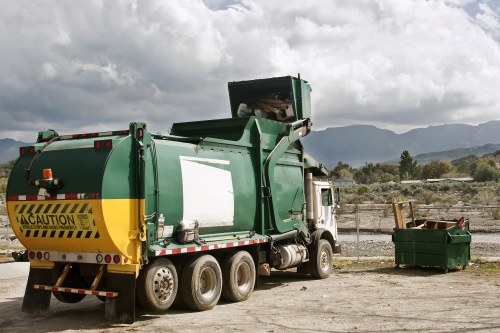 Core principles. We adopt fairness, confidentiality and timeliness as core principles. Every complaint is recorded, acknowledged and assigned to an investigator. We will strive to communicate progress clearly and propose remedies where appropriate. The organisation recognises the importance of maintaining trust in the rubbish removal service and of learning from complaints to improve future office clearance outcomes.
Submitting a complaint
Initial submission. A complaint should describe the issue, include relevant dates and locations, and identify the job or reference if available. While specific contact directions are not provided here, complainants are encouraged to include: job identifiers, a concise description of what happened, and any evidence such as photographs or documentation. Clear chronology helps speed up the investigation.
When raising an issue, please be factual and focused on resolution. The organisation may request clarification or further information to substantiate the claim. Records will be kept of all communications, and the complainant will receive an acknowledgment within the stated timescale. Examples of matters typically investigated include operational errors, missed pickups and disposal concerns connected to office clearance.

Acknowledgement and timescales.
After a complaint is received it will be acknowledged promptly and assigned a reference for tracking. The initial acknowledgement will outline expected timescales for a full investigation and indicate the staff member overseeing the case. Where investigations require third-party input (for instance from waste transfer partners), additional time may be necessary; the complainant will be kept informed of any reasonable extensions.Investigation process. Investigations are proportionate to the nature and severity of the complaint. They typically include a review of job records, vehicle logs, operative statements and any supplied evidence. If remedial action is appropriate, options may include arranging a repeat visit, corrective waste handling, or compensation where loss has occurred. Remedies are designed to restore service standards and prevent recurrence.
Possible outcomes. Outcomes may include: an explanation of events, an apology where service fell short, corrective action, or a formal record of performance issues corrected by training or process change. Not every complaint will result in compensation; each case is assessed on its merits, evidence and operational context. Where systemic issues are identified, these inform broader improvements across the rubbish company service area.
Record keeping and confidentiality. A formal record of the complaint and outcome will be maintained for a defined period consistent with data handling and retention practices. Personal data is handled in accordance with applicable policies; access is restricted to those directly involved in the investigation. Records support trend analysis and service audits.
 Escalation and review. If a complainant is not satisfied with the initial outcome they may request an internal review or escalation. An escalation will be handled by a senior manager not previously involved in the case. Reviews focus on whether the investigation was thorough and whether the remedy offered was reasonable. The review stage is intended to provide an additional, impartial check on earlier findings.
Behaviour standards. The organisation expects mutual respect in all interactions. Unacceptable behaviour—including harassment, threats or unreasonable demands—may affect how the complaint is handled and could result in limited contact or managed communications. Such measures are taken to protect staff and ensure fair handling of every complaint while still seeking a resolution where possible.
 Monitoring, training and continuous improvement. Complaints are an important source of learning. Aggregated data from complaints about office clearance, commercial rubbish removal and waste handling inform training, operational adjustments and contractual standards with partners. Periodic reviews of complaint trends help refine service delivery and maintain compliance with environmental and safety obligations.
Policy review. This complaints procedure is periodically reviewed to ensure it remains effective, accessible and aligned with regulatory expectations. Changes are made to improve clarity, responsiveness and fairness. The organisation remains committed to addressing issues raised, protecting the environment during waste clearance, and ensuring customers receive a professional rubbish removal service across the service area.
Final note. Complainants who remain dissatisfied after exhausting the internal process are advised of their right to seek independent review where applicable; this document does not provide direct referral details. The primary objective of the complaints procedure is to achieve timely resolution, preserve operational integrity, and continually improve the standards of office clearance and related services.
Accessibility. Reasonable adjustments will be made to assist those who may need help submitting a complaint or understanding the process. This includes clear explanations and, where possible, accommodating communication preferences so that the complaints process is accessible to all users of our office clearance and rubbish removal services.
- Recorded acknowledgement within published timescales
- Fair and impartial investigation based on evidence
- Transparent outcomes and remedial actions where appropriate
